Tropical Watercolor Flowers Clipart: A Creative Asset Guide
There is a certain magic to watercolor that no digital filter quite replicates. The soft bleeding edges, the unpredictable granulation, the way one wash meets another—it carries an organic warmth that feels human. When you combine that with tropical flowers—bold hibiscus, layered plumeria, cascading monstera leaves, and spiky bird-of-paradise—you get something that lands squarely in both the natural and the aspirational. Tropical Watercolor Flowers Clipart sits at that intersection: a design asset that is equal parts lush, refined, and immediately useful for anyone creating visual content in 2024 and beyond.
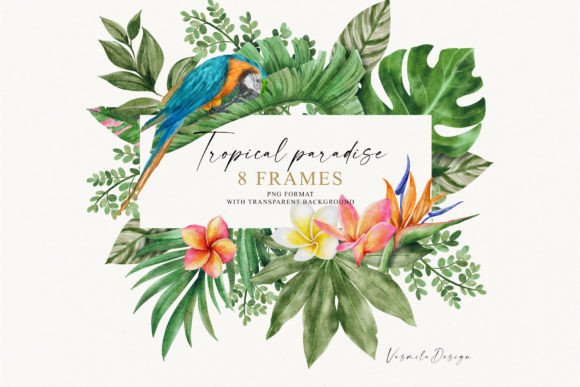
This is not a single file or a one-off illustration. It is a curated collection of hand-painted or digitally rendered floral elements, each with that unmistakable watercolor texture. The stems carry visible brushstroke variation. The petals show lighter and darker pools of pigment, as if real paint dried on real paper. The overall personality? Unapologetically vibrant, but not loud. Lush, but not cluttered. There is a breezy, resort-hotel sophistication here, but it is approachable enough for a wedding invitation, a small-brand Instagram post, or a blog header about sustainable travel.
Whether you are a graphic designer building a brand identity from scratch, a marketer refreshing seasonal social media graphics, a publisher looking for cover art for a summer magazine issue, or a crafter making custom greeting cards, this clipart offers a visual shorthand for warmth, growth, and vitality. Let us explore exactly what makes it work, where it belongs, and how to choose and use it with intention.
The Visual Language of Tropical Watercolor Flowers
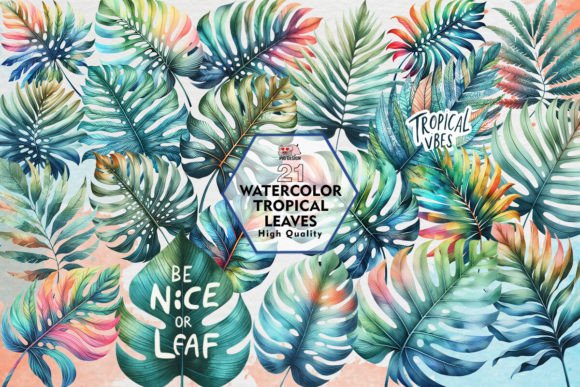
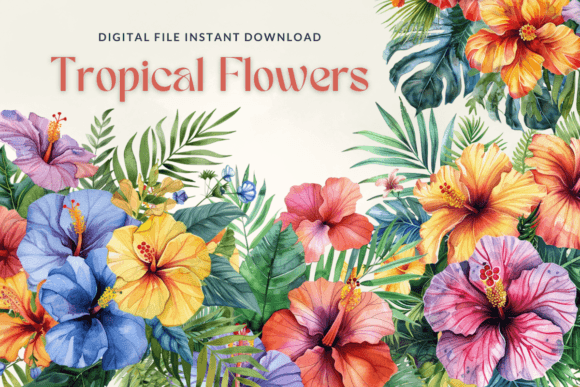
The first thing you notice is that nothing looks flat. Even at a glance, the watercolor rendering introduces depth through transparency. Lighter washes sit behind darker strokes, creating a sense of layers. The flowers themselves are recognizable—frangipani, anthurium, palm fronds, heliconia—but they are not photorealistic. They are interpretive, stylized, and intentionally imperfect. That imperfection is the whole point.
Color palettes in these collections tend toward the saturated but balanced. You will see hot pinks, coral oranges, deep jungle greens, and occasional pops of yellow or lavender. But a skilled watercolorist also pulls back: muted sage leaves, pale peach blooms, charcoal stems. The contrast between vivid flower heads and softer foliage creates a natural visual hierarchy. The eye moves from bloom to leaf to background, not because of a forced focal point, but because the paint itself guides you.
Tropical Watercolor Flowers Clipart also tends to feature a mix of full blooms, loose sprays, and individual leaf elements. This modularity matters. A designer can use a large hibiscus as a hero image on a brochure cover, then scatter smaller accent leaves across a website footer. Because the entire set shares a consistent treatment—same brush style, same color logic, same paper texture—everything feels cohesive. That is the quiet power of a well-built clipart collection: it acts less like a clippings file and more like a custom illustration library.
Where This Artwork Belongs in Real Projects
Watercolor florals have moved far beyond wedding stationery. Yes, they still dominate invitations, save-the-dates, and thank-you cards, and for good reason. The organic texture communicates sincerity. But the current creative landscape places tropical watercolor elements into branding, packaging, publishing, and digital media at a much larger scale than even five years ago.
Brand Identity and Logo Design
A spa or wellness brand built around botanical ingredients—coconut, aloe, papaya—can use a stylized watercolor leaf as its primary mark. The texture signals handmade, natural, and premium. A logo design that incorporates a watercolor element is harder to knock off and carries a sensory quality that a flat vector simply lacks. When you use Tropical Watercolor Flowers Clipart in a brand identity, you are not just decorating a business card. You are implying that the brand itself has depth, that it grows, that it is alive.
Packaging Design
Consider a small-batch skincare line or a craft cocktail syrup. A product label featuring watercolor botanicals immediately looks artisanal. The blooms work as a background wash or as a clustered focal element. Because the clipart includes isolated elements, you can arrange them around product information without breaking the readability of the ingredient list or the logo. The soft edges of watercolor contrast nicely with clean sans serif type, creating a modern, premium feel.
Editorial and Publishing
Magazines, lookbooks, and digital publications use watercolor florals to punctuate articles, decorate pull quotes, or fill chapter openers. In an editorial layout, a full-page watercolor spray behind a headline can set a mood without overwhelming the text. The transparency of the medium means type remains readable even when placed directly over painted leaves. For bloggers, a header image made from layered watercolor elements can establish a consistent visual brand across posts without requiring new photography every time.
Web Design and Social Media Graphics
On screens, watercolor textures add tactile warmth to otherwise static web pages. A hero banner with a watercolor floral background tells visitors this site is human-made, not templated. Social media graphics—Instagram quotes, Pinterest pins, Facebook cover images—benefit from the same treatment. A single watercolor bloom behind a call-to-action can increase emotional resonance. The key is restraint: let the clipart breathe rather than filling every pixel.
Personal and Craft Projects
For hobbyists, Tropical Watercolor Flowers Clipart is a gateway to professional-looking results without needing advanced painting skills. Bullet journal covers, scrapbook pages, handmade cards, even custom fabric prints—the assets work at any scale. The commercial license that comes with most premium collections also allows selling finished products, which opens up a small business channel for crafters who want to create on their own terms.
How Watercolor Illustrations Shape Perception and Engagement
Visual assets are not decoration. They communicate before a single word is read. Watercolor illustrations carry built-in associations: patience, craftsmanship, imperfection as beauty, and a connection to nature. When you use Tropical Watercolor Flowers Clipart, you are borrowing those associations for your project. That matters for brand perception.
A luxury resort brand that uses vector clipart might look generic. The same brand using watercolor florals looks curated. The difference is in the texture. Humans associate visible brushwork with human hands. Even when the artwork is digitally composited, the visual memory of paint on paper triggers a sense of authenticity. This is especially important for small business owners and entrepreneurs who need to build trust quickly without a massive marketing budget.
From a readability and visual hierarchy standpoint, watercolor clipart offers unusual flexibility. Because the elements are semi-transparent, they work as backgrounds without destroying text contrast. A deep green watercolor leaf behind white type reads as elegant, not muddy. A pale pink bloom behind dark type adds softness without sacrificing legibility. Designers who struggle with font pairing often find that a watercolor element creates enough visual interest to carry a simple serif or sans serif treatment.
Audience engagement also benefits. Content that includes textured, organic visuals tends to hold attention longer than flat, sterile imagery. In social media feeds, where every scroll is a decision, a watercolor graphic stops the eye. In print, it invites touch. These are small advantages that compound across campaigns and publications.
Choosing the Right Collection and Using It Well
Not every watercolor clipart set is created equal. A poorly scanned or low-resolution collection will look muddy in print and pixelated on retina screens. When evaluating Tropical Watercolor Flowers Clipart options, start with resolution and file format. Look for 300 DPI files for print uses and transparent PNG files for digital layering. SVG formats are increasingly available and offer scaling without loss, which is ideal for web design and responsive layouts.
Next, examine the color consistency. A premium collection will have a cohesive palette across all elements. If one flower is painted in cool blues and another in warm corals with no neutral bridge, the set will feel disjointed. The best collections include a mix of bright and muted tones, along with neutral foliage that can anchor busier blooms.
Readability considerations come into play when you layer text over the artwork. Test your intended font pairing with the clipart early. A thin serif font may get lost over a busy floral cluster, while a bold sans serif font or a clean handwritten font can hold its own. If you are using the clipart behind headlines, choose elements with more negative space—open center blooms, light wash leaves—so the text has room to breathe.
Commercial licensing is another critical factor. If you are a publisher, marketer, or designer creating assets for clients, verify that the license covers commercial use and end-product distribution. Many premium clipart sets offer extended licenses for merchandise, digital products, and print-on-demand. Always read the terms rather than assuming. A small licensing gap can create legal headaches later.
Practical Pairing Suggestions
For a clean, modern look, pair a watercolor floral element with a geometric sans serif font like Montserrat or Nunito. The contrast between the organic paint and the structured type creates tension that feels contemporary. For a romantic or editorial aesthetic, a script font or a soft handwritten font echoes the brushstroke quality of the watercolor. Avoid pairing two highly textured elements together—a watercolor bloom plus a distressed font usually reads as chaotic rather than intentional.
When using Tropical Watercolor Flowers Clipart as a display font background or within a logo design, consider isolating a single bloom or leaf rather than clustering too many elements. Simplicity preserves the craftsmanship. One large, well-placed anthurium against minimal typography can carry a brand identity further than a crowded arrangement of ten different flowers.
For social media graphics, create consistent templates that use the same clipart elements in different compositions. This builds brand identity through repetition. Followers will begin to associate that watercolor style with your content, even without seeing a logo. That visual recognition is valuable.
Tropical Watercolor Flowers Clipart is more than a decorative afterthought. It is a design asset that brings warmth, texture, and emotional resonance to projects of every scale. Whether you are building a brand, designing a publication, or crafting something by hand, these illustrations offer a way to communicate growth, vibrancy, and care. Choose a collection with intention, test it in context, and let the watercolor do what it does best: remind people that something beautiful was made by hand.