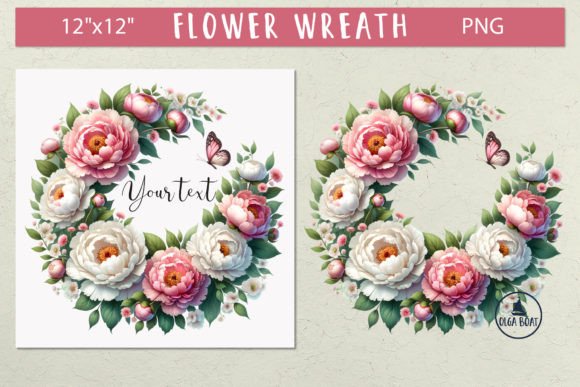
Peony Wreath Clipart Watercolor Flower for Elegant Branding
If you have spent any time browsing design assets for wedding invitations, boutique branding, or garden-inspired packaging, you have likely noticed a particular style that keeps appearing: soft, painterly floral arrangements with a romantic, handmade feel. Among these, the Peony Wreath Clipart Watercolor Flower stands out as a versatile and visually rich design element that bridges the gap between fine art and commercial usability.
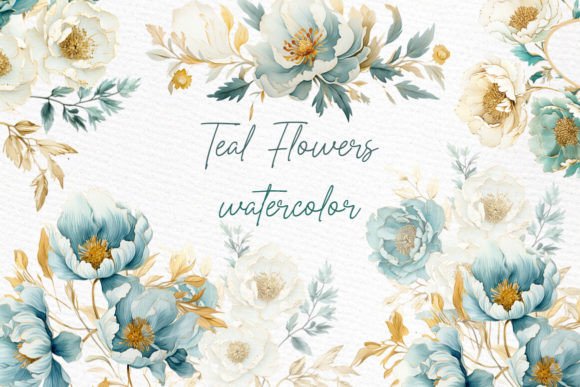
Unlike rigid vector graphics or overly realistic botanical illustrations, this watercolor wreath captures the natural imperfection of hand-painted flora. The peony, with its layered petals and voluminous shape, becomes the centerpiece of a circular or flowing wreath design. Soft washes of pink, coral, blush, and cream blend into each other, while subtle leaf accents in sage or olive green provide balance. The result is an asset that feels both timeless and contemporary—rooted in traditional watercolor technique but optimized for digital use.
For designers and small business owners, this type of clipart is more than just decoration. It is a foundational element that can define an entire brand identity, set a mood, or communicate elegance without a single word. Understanding how to use it effectively, and recognizing where it adds the most value, makes the difference between a polished project and one that feels generic.
Visual Personality and Stylistic Appeal
The Peony Wreath Clipart Watercolor Flower carries a distinct personality that sets it apart from other floral clipart. Where some botanical illustrations aim for scientific accuracy or graphic flatness, this watercolor approach leans into softness, texture, and emotion. The paint blooms and fades organically, with edges that are never perfectly sharp. This gives the wreath a gentle, almost nostalgic quality—like something pulled from a vintage botanical sketchbook.
The peony itself is a flower associated with prosperity, romance, and abundance. In wreath form, these meanings are amplified. The circular arrangement suggests continuity, wholeness, and celebration. When you place this design on a product label, a wedding invitation, or a social media graphic, you are signaling warmth, refinement, and attention to detail. It works exceptionally well in industries where emotional connection matters: weddings, home decor, beauty, wellness, and artisanal food.
From a design perspective, the watercolor texture adds depth that flat vector shapes cannot replicate. In both print and digital contexts, this texture catches light differently, creating a subtle dimensional effect. This is particularly valuable for packaging design, where a tactile or handcrafted impression can justify premium pricing. The natural variation in each peony bloom within the clipart set means that no two uses ever feel exactly the same, which is a key advantage for brands that want to avoid a mass-produced look.
Where the Wreath Works Best Across Projects
The versatility of this clipart becomes apparent when you map it against different creative contexts. In wedding stationery—save-the-dates, ceremony programs, place cards, and thank-you notes—the Peony Wreath Clipart Watercolor Flower serves as a unifying motif that ties the entire suite together. Placed behind text, it creates a soft backdrop without competing with the typography. Used as a border element, it frames content elegantly.
For entrepreneurs and small business owners in the beauty or skincare space, this watercolor wreath offers immediate visual cues about product positioning. A face oil brand targeting a luxury-conscious audience could feature the wreath on product labels, Website headers, and social media templates. The soft pink and coral tones suggest natural ingredients and gentle formulations. When paired with a clean sans serif font for body text and a refined serif for product names, the overall brand identity feels cohesive and intentional.
In editorial design, such as magazine layouts or blog post headers, the wreath functions as a decorative element that breaks up text-heavy pages. Lifestyle publications covering topics like gardening, self-care, or seasonal entertaining benefit from its organic flow. It also works well as a watermark-style element on photography, adding a subtle brand signature without distracting from the main visual.
Digital uses are equally broad. Social media graphics for Instagram posts, Pinterest pins, or Facebook covers can incorporate the wreath as a framing device. When used in combination with thoughtful typography, it elevates a simple quote or announcement into something shareable and memorable. For content creators and bloggers who need consistent visual branding, having a set of watercolor peony wreaths means they can maintain a cohesive aesthetic across platforms without needing to commission new artwork each time.
Influence on Readability, Hierarchy, and Brand Perception
Every design element on a page influences how a viewer processes information, and the Peony Wreath Clipart Watercolor Flower is no exception. When placed strategically, it guides the eye without overwhelming the content. The circular shape naturally draws attention to whatever sits inside the wreath—whether that is a monogram, a product name, or a short headline. This makes it an effective tool for establishing visual hierarchy, especially in layouts where you want the central message to be immediately clear.
The soft, transparent quality of watercolor means the wreath does not fight for dominance. Unlike a heavy black stroke or a densely detailed illustration, this clipart allows surrounding text to remain readable. In practice, this means you can place it behind body copy or overlay it on photographs without reducing legibility. The key is to adjust opacity slightly if needed, or to choose a version of the wreath with less dense paint coverage for backgrounds where text will directly overlap.
Brand perception is where this asset truly shines. A business that consistently uses watercolor elements signals a specific set of values: artistry, care, authenticity, and a taste for beauty. These are qualities that resonate with audiences who are tired of sterile, corporate imagery. For a boutique stationery shop, a floral designer, or a luxury candle maker, the wreath becomes shorthand for quality. It tells potential customers that this is not a mass-produced commodity but something created with intention.
Professionalism does not have to mean coldness. By integrating hand-painted clipart into logos, packaging, and marketing materials, a brand can appear both polished and approachable. This balance is particularly difficult to achieve with pre-made templates, which often lean too far toward generic or overly trendy. The watercolor peony wreath, when used with restraint and paired with quality typography, strikes that balance well.
Choosing and Using This Clipart Effectively
Selecting the right version of Peony Wreath Clipart Watercolor Flower for your project requires thinking about context and scale. A large, full-color wreath with multiple blooms works beautifully as a cover image or a full-page background element. For smaller applications—like a business card or a product tab—a simplified wreath with fewer flowers and more negative space is often more effective. The same logic applies to color: a full pink and coral palette suits romantic brands, while a monochrome or muted version may fit minimalist or modern identities better.
When evaluating project fit, consider the medium. For print projects like greeting cards or packaging, high-resolution PNG files with transparent backgrounds are ideal. They allow the watercolor texture to render correctly against paper stocks. For digital use, slightly smaller file sizes with maintained resolution prevent slow page loads while preserving quality. Always test the clipart against your actual background color or image, as watercolor elements can behave differently depending on what is beneath them.
Testing font pairings with the wreath is equally important. Because the clipart has a soft, organic feel, it pairs well with elegant serif fonts, script fonts, or handwritten typefaces. Avoid pairing it with heavy, blocky display fonts that compete for attention. A delicate script for a couple's names on an invitation, or a refined serif for a brand tagline, will complement the wreath without creating visual clutter. If you are using a handwritten font, ensure it shares a similar level of texture and warmth so the overall composition feels harmonious rather than mismatched.
Readability considerations come into play when text intersects with the wreath. If you are placing type over the painted flowers, choose areas where the paint is lighter or more transparent. Alternatively, use a version of the clipart that has been designed with a clear center space specifically for text. Many quality clipart sets include both full wreaths and open-center variants exactly for this purpose. Reviewing the included styles before starting your layout saves time and prevents frustration.
Commercial licensing is another critical factor. If you are a designer or business owner creating products for sale—whether printed stationery, digital templates, or packaged goods—verify that the clipart set includes a commercial use license. Some watercolor clipart is sold for personal use only, while others extend to small-scale commercial or unlimited commercial use. Understanding these terms upfront protects your business and ensures you can legally use the asset across all intended applications.
Finally, avoid the temptation to use the wreath in every possible place. Overusing a strong visual element dilutes its impact. Reserve the peony wreath for hero moments: the cover of a lookbook, the center of a logo, the main graphic on a landing page. In supporting roles, use smaller or partial versions. This restraint is what separates professional design from cluttered amateur work. The Peony Wreath Clipart Watercolor Flower is a premium asset that deserves space to breathe, and when used thoughtfully, it becomes a signature part of your visual identity rather than just another decorative stamp.