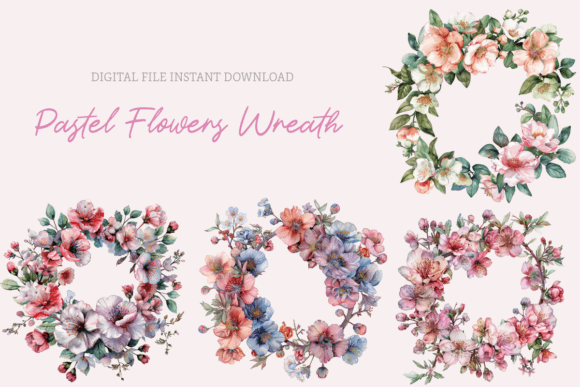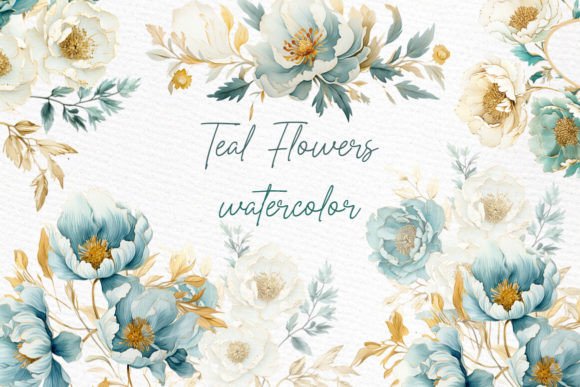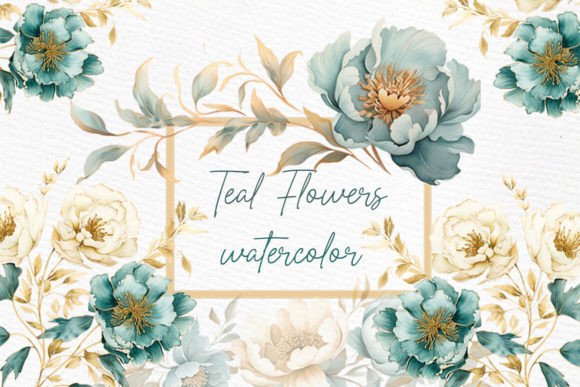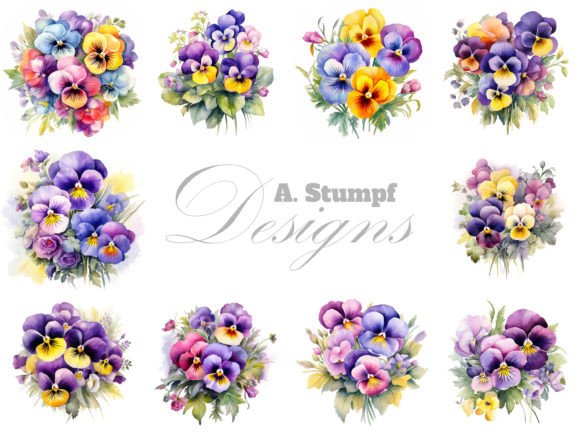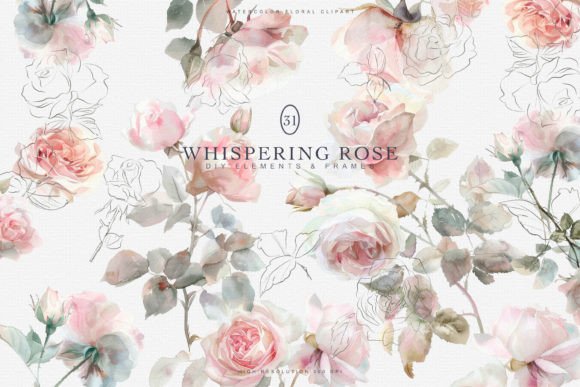
Watercolor Floral Clipart - Soft Flowers
There’s something quietly magnetic about soft watercolor florals. They don’t shout for attention, yet they instantly soften a layout and give it a handcrafted warmth that’s hard to replicate with digital vectors. Watercolor Floral Clipart - Soft Flowers captures that delicate balance between organic artistry and practical design utility. Whether you’re building a brand identity from scratch, designing a wedding invitation suite, or refreshing your social media feed, these clipart elements offer a versatile foundation that works across modern typography and classic layouts alike.
What makes this set stand out is the way the paint behaves. The edges bleed naturally, colors pool in subtle gradients, and each flower feels like it was brushed onto paper by a patient hand. This isn’t rigid, flat clipart. It breathes. The soft flowers in the name are exactly that—blooms with muted pastels, gentle greens, and a relaxed composition that avoids looking stiff. Pair this with a clean sans serif font for a contemporary editorial feel, or layer it with a refined serif for a romantic, timeless look. The clipart becomes a flexible design asset, not just a decoration.
Where Nature Meets Versatility
Because Watercolor Floral Clipart - Soft Flowers lives in that sweet spot between detail and restraint, it adapts to a surprising range of projects. Small business owners often use these illustrations as the centerpiece of product packaging—think artisan soaps, honey jars, or boutique tea boxes. The soft washes of color convey natural ingredients and a handmade ethos without needing a single word. For bloggers and content creators, the clipart works beautifully as section dividers, blog post headers, or subtle background textures that add depth without distracting from text.
In web design, these elements can replace stock photography for hero sections or call-to-action areas. Because they’re not photographic, they don’t date quickly, and they maintain consistency across a brand’s entire visual language. Marketers find them effective in email campaigns where load times matter—lightweight PNGs with transparent backgrounds slot directly into templates. Even in premium font pairings, the clipart can act as a visual anchor that draws the eye to a headline set in a bold display font, creating a hierarchy that feels natural rather than forced.
Publishers and editorial designers have also started incorporating watercolor florals into lifestyle magazines, cookbooks, and wedding planners. The flowers bring a tactile quality to digital PDFs and printed pages, especially when paired with a handwritten script font that echoes the organic stroke of the brush. It’s an effortless way to break up long paragraphs and give readers a moment to breathe.
Shaping Perception Through Visual Harmony
The influence of Watercolor Floral Clipart - Soft Flowers on brand perception is subtle but powerful. A brand that uses soft, painterly elements signals approachability, creativity, and a certain gentleness. This clipart doesn’t scream “corporate”; it whispers “craft.” And in a crowded market where many businesses lean on sterile stock imagery, this sets you apart. I’ve seen client feedback shift noticeably when we swapped rigid icons for these fluid florals—engagement on social posts increased, and email click-through rates improved, likely because the visuals felt more personal and less templated.
Readability and visual hierarchy also benefit when the clipart is used thoughtfully. Placing a small cluster of flowers near a headline draws attention without overwhelming the text. Because the colors in this set are intentionally soft—lavenders, blushes, sage greens, dove grays—they don’t compete with black or dark type. You can pair it with a serif font for body copy and a handwritten font for accent phrases, and the clipart will bridge those styles visually. Consistency improves when you limit your palette to colors pulled directly from the floral elements; the entire layout feels cohesive, professional, and visually satisfying.
Recognition grows when a brand consistently uses the same visual language. Using Watercolor Floral Clipart - Soft Flowers across packaging, website, social media, and print collateral creates a thread that customers start to associate with your identity. It’s a form of non-verbal branding that works on an intuitive level—people remember how a design made them feel more than they remember specific details. Soft florals evoke calm, care, and natural beauty, which is especially effective for wellness brands, stationery designers, and creative entrepreneurs.
Practical Guidance for Choosing and Using the Set
Before you download, take a moment to evaluate project fit. Watercolor Floral Clipart - Soft Flowers works best when your design needs a touch of organic warmth but not overwhelming detail. If your brand identity is minimalist with clean lines, these elements can add a gentle accent. If you’re working on a project that requires heavy geometric patterns or a very modern, industrial aesthetic, this clipart might feel out of place. But for lifestyle, beauty, wedding, children’s products, and editorial design, it’s nearly a perfect match.
When testing pairings with type, consider these combinations:
- Script handwritten font – echoes the brushstroke feel; ideal for logos and invitation headings.
- Clean sans serif font (e.g., a geometric or humanist style) – provides contrast and keeps layouts legible.
- Slab serif or modern serif – adds a touch of grounded authority while still allowing the flowers to be the hero.
- Display font – use sparingly for short headlines; the clipart can frame the wordmark nicely.
Licensing is another critical factor. Commercial use requires attention: confirm that the license covers your intended use, whether it’s for physical products, digital downloads, or print-on-demand. Many clipart sets, including this one, offer both personal and commercial licenses, but restrictions may apply (e.g., resale as standalone clipart is usually prohibited). Always read the terms—responsible use protects both you and the creator.
Also consider the number of files included. Does the set offer multiple color variations? Are the elements isolated or grouped? Transparency support? File format (PNG, SVG, EPS)? For web designers, SVG gives scalability; for print, high-resolution PNGs with transparent backgrounds are the safest bet. Watercolor Floral Clipart - Soft Flowers typically comes in a range of formats that cover both digital and print workflows, so verify before purchase.
Design Observations and Real-World Recommendations
From a practical standpoint, I’ve found that less is more. Because watercolor textures are inherently rich with organic variation, placing too many elements on one page can create visual noise. Use a single bloom as an accent near a pull quote, or cluster two or three stems to frame a product photo. Leave breathing room around them. They look stunning when layered with subtle shadow effects or over a light textured background—but avoid heavy drop shadows, which compete with the watercolor’s natural transparency.
One tactic that consistently works: use the clipart to create your own custom patterns. By tiling a few flowers at low opacity, you can generate a bespoke background that no one else has. This is particularly effective for packaging design and social media templates. Pair that custom pattern with a modern font in an unexpected color (like a deep berry or dusty blue pulled directly from the flowers), and you’ve built a cohesive brand asset without hiring an illustrator.
If you’re a hobbyist working on personal projects like scrapbooking or home decor, treat these elements as you would stickers—place them over a journaling card or on a digital planner page. The softness of the art means they won’t overpower your handwriting or printed text. For crafters making printables, the clipart can elevate a simple calendar or to-do list into a gift-worthy item.
Ultimately, Watercolor Floral Clipart - Soft Flowers gives you permission to design with emotion without sacrificing professionalism. It’s a tool that rewards subtlety and intention. When used well, it becomes more than decoration—it becomes part of your brand identity, your visual storytelling, and your audience’s memory.